Buying offsite SEO services means trusting someone to represent your brand to editors, journalists and review platforms. You are authorizing outreach in your name on publishers your buyers may already read every week. A weak vendor leaves irrelevant referring domains, awkward anchor text and a profile that looks manufactured under light scrutiny. A strong partner leaves placements you will show in a board deck, with a clear story about why those surfaces matter for demand and lasting category coverage.
Start with the job to be done. Do you need editorial links to money pages, digital PR for category ownership, unlinked mention reclaim, listicle coverage, AI citations, or a cleanup before you scale? Offsite SEO services that promise everything without a diagnostic usually deliver the easiest links, not the ones that move topical authority. Write down the pages that need support, the competitors who dominate roundups, and any brand or legal constraints before you talk to vendors. That brief becomes the filter for every proposal you receive.
What to ask a provider
Ask how targets are approved before outreach begins. Ask for live URLs with traffic and topical fit, not only Domain Rating screenshots. Ask how pitches are written, who writes them, how replacements work when a link drops, and whether agency partners get true white label reporting. Ask how AI citations are tracked across ChatGPT, Perplexity and Google AI Overviews, and how often those checks run. Ask which industries they decline and why. Serious offsite SEO services refuse niches that only work through manipulative networks.
Also ask who you will talk to week to week. Senior strategy with junior spray-and-pray outreach is a common pattern. You want experienced writers talking to editors, plus reporting that marketing leadership can read without an SEO glossary open nearby. If the answers stay vague after two discovery calls, keep shopping for another partner team right away instead.
Red flags
Guaranteed rankings, fixed packages sold from a public price sheet with no discovery, private blog networks, expired domain tricks, and “DR 70+ links” sold by the dozen are signals to walk away. So is refusal to share sample live placements under NDA, or reporting that only lists domains without page context, anchor text, indexation notes and next-month priorities. Off-page SEO that cannot be inspected should not be purchased. If careful questions feel like friction to the vendor, they are optimizing for volume over partnership quality.
Realistic timelines
Many programs land early placements inside 30 to 60 days. Meaningful growth in referring domains, branded coverage and AI citations usually takes a quarter or longer. Digital PR can spike when the angle is timely. Mention reclaim moves when editors respond. Build expectations per channel, not against a single average. In-house teams should align stakeholders early so legal and brand reviews do not stall pitches. Agencies should set client expectations before the first QBR. Offsite SEO services work best when everyone agrees what “good” looks like before the first pitch goes out.
How results are measured
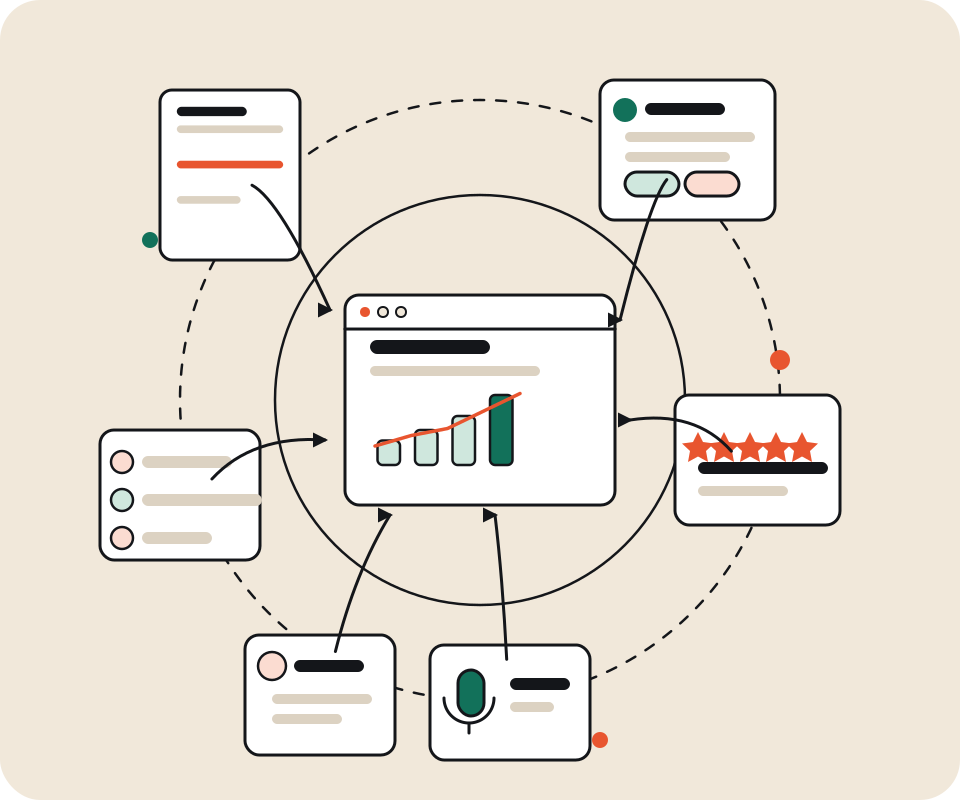
We measure live placements, Domain Rating and traffic context, anchor text, indexation, branded and listicle coverage, unlinked mention reclaim rates, and recurring AI citation checks tied to pages that matter for pipeline. Vanity link counts without context do not make the report. When you request a proposal, bring your profile, competitor gaps and priority pages. We scope offsite SEO services around that reality, not a generic package. Budget ranges qualify capacity only; they are not a public price list, and discovery still decides what the first ninety days should prioritize for your team.